









Key Takeaways
- Thai massage works through firm, rhythmic pressure and assisted stretching along the body’s energy lines, performed over loose clothing with no oil.
- Aromatherapy massage uses warmed, blended oils and slow, flowing strokes to quiet the mind, and lets you choose a scent that suits your mood.
- For a physical reset, stiffness after travel, desk work, or training tends to respond well to the stretch and pressure of Thai massage.
- For stress relief, a busy mind, poor sleep, or a preference for gentle touch usually points towards aromatherapy.
- For back and shoulder tension, the better fit depends on the cause: tightness and restricted movement lean towards Thai massage, while stress-linked tension leans towards a slower oil-based treatment.
- Both are available as part of a calm, tailored visit to an organic aromatherapy massage in Bangkok, where a short consultation matches the treatment to how you feel on the day.
You have set aside a few hours for yourself, arrived at the spa, and a therapist asks which treatment you would like. The choice between aromatherapy massage vs Thai massage is a common one. Many people pick whichever sounds more familiar, only to end up with a session that does not quite match what their body needed that day.
Aromatherapy and Thai massage at a glance
At its simplest, aromatherapy massage vs thai massage comes down to oil and touch versus pressure and movement. Thai massage is oil-free and built on firm pressure and guided stretches, while aromatherapy is oil-based and built on long, flowing strokes and a chosen scent.
The intent for Thai traditional massage vs aromatherapy differs too. Thai massage leans towards physical mobility and easing stiffness, aromatherapy prioritises stress relief. That said, the pressure, length, and setup varies by spa and therapist, so treat the comparison as a general pattern rather than a fixed rule.
What does a traditional Thai massage involve?
Traditional Thai massage works through rhythmic, acupressure-style compression along the body’s energy lines, combined with therapist-guided stretches. It sits closer to a supported yoga session than a quiet oil massage. No oil is used, and you stay in loose clothing on a mat or firm surface.
The pressure generally runs medium to firm, though a skilled therapist adjusts it to your comfort as the session goes on. Most people leave feeling looser, more mobile, and a little re-energised, though firm pressure or an unfamiliar stretch can leave some tender for a short while. As such, it helps to mention sensitive areas or movement limits before you begin.
Best suited to: guests dealing with general stiffness, tightness from prolonged sitting or travelling or anyone who prefers a more active, structured treatment. If you enjoy a good stretch and firmer pressure, it is often the more satisfying option.
What does an aromatherapy massage involve?
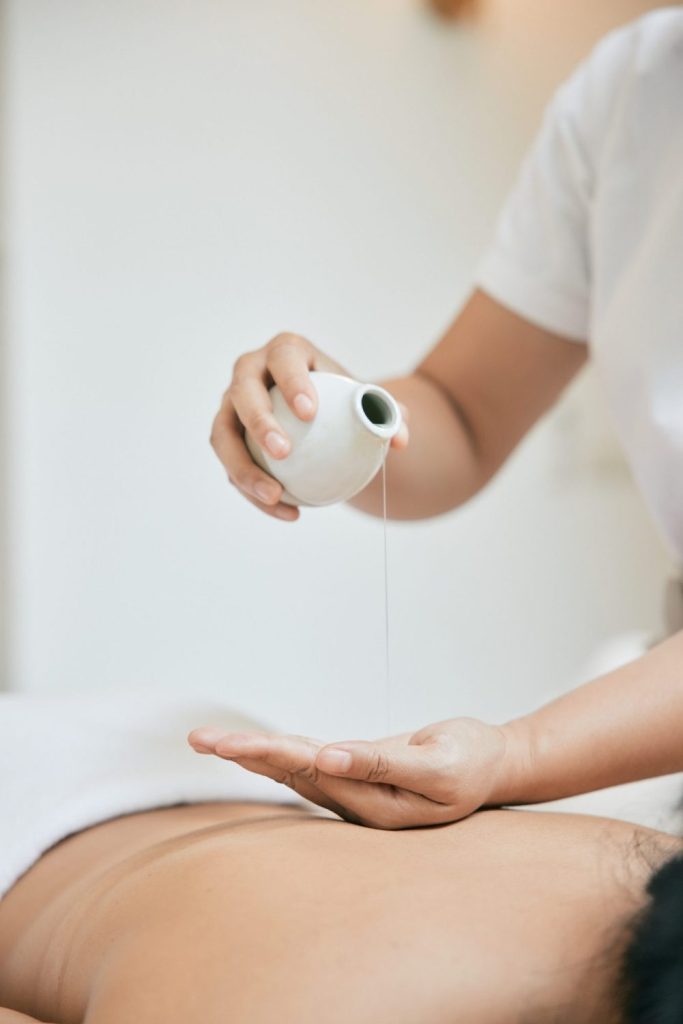
An aromatherapy massage combines massage with warmed, diluted essential-oil blends. The strokes are long and flowing, often with gentle kneading, to a mild-to-medium pressure that can be intensified around specific tension zones.
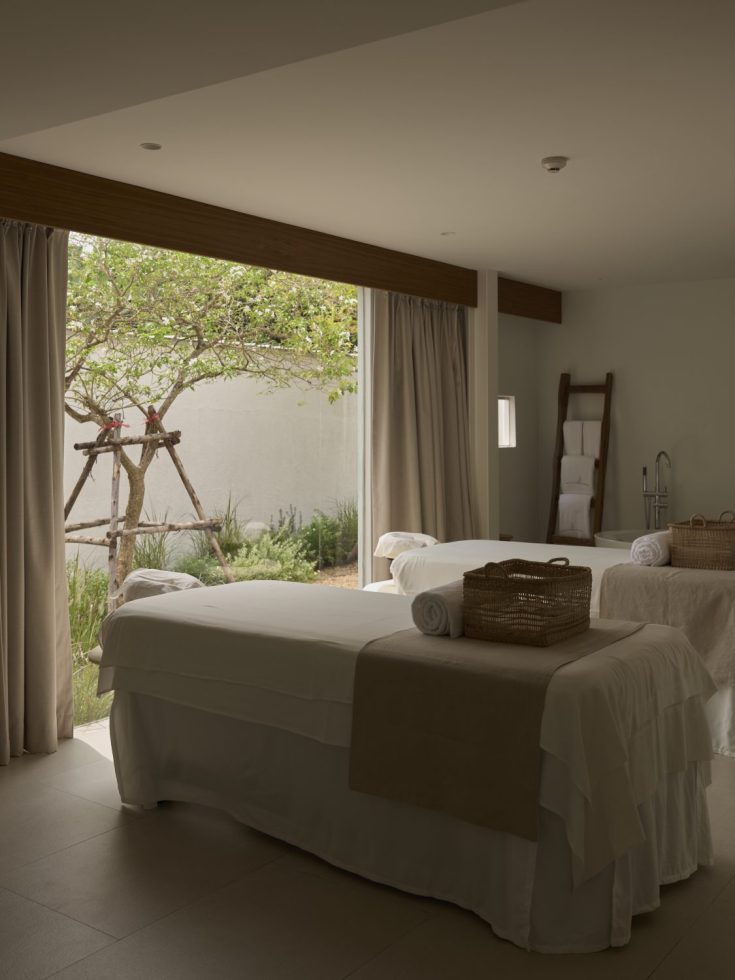
It is performed on a massage bed with professional draping, and you undress only to the level you are comfortable with. The blend is usually chosen at the start to match your mood, bringing a tier of personalisation that Thai massage does not typically offer.
The treatment is most often linked with stress relief, calmer breathing, and better sleep, alongside the skin-nourishing benefit of the carrier oils. Some research supports its role in easing anxiety and improving sleep, though it complements good rest and medical care rather than replacing either.
Best suited to: guests who feel mentally drained, want gentler pressure, or want a slower, sensory session. If deep stretching or firm pressure does not appeal to you, this massage is usually the more comfortable place to start.
Which is better for back and shoulder tension?
The short answer is that it depends on the cause. Thai massage tends to suit tension linked to stiffness and restricted movement, while aromatherapy suits stress-related tension or when you prefer to avoid intense pressure.
Here’s where both shine:
- Thai massage: When shoulders and the upper back feel tight after long hours sitting, travelling, or training, the stretching and acupressure of Thai massage can release tension and restore movement.
- Aromatherapy massage: When the same area feels tense after busy days or broken sleep, a slower oil-based treatment is often more comfortable, with the therapist spending extra time around the neck and shoulders while keeping the pace soothing.
However, one caution matters more than the choice itself: pain that is severe, persistent, radiating, or tied to an injury should be reviewed by a healthcare professional rather than treated as a spa concern.
Whichever you choose, tell your therapist about problem areas and preferred pressure beforehand.
How to choose between the two for your day
Deciding between Thai massage vs aromatherapy comes down to how you feel before you book.
- Choose Thai massage when you feel: physically stiff or desk-bound, fatigued from long-haul flights or tight from exercise, and comfortable with firmer pressure and stretching.
- Choose aromatherapy when you feel: mentally drained, exhausted after a demanding week, over-stimulated, or want a calming scent, oil-based touch, and a gentler pace.
If it is your first massage, aromatherapy is often the easier place to start, though Thai massage can still be taken lighter when you say so in advance. If you are not sure, a short chat with the therapist before you begin helps match pressure and technique to how you feel that day.
A treatment also feels more restorative when you build in time to slow down before and after, especially at a must-visit wellness spa in Bangkok.
White Wood Green’s organic aromatherapy massage
For anyone leaning towards the gentler option, we offer the Organic Aromatherapy Massage here at White Wood Green, available at both our Ekkamai branch, a hidden urban escape near Sukhumvit, and our Yenakart branch, a private wellness retreat near Sathon featuring an optional onsen-inspired hydrotherapy add-on.
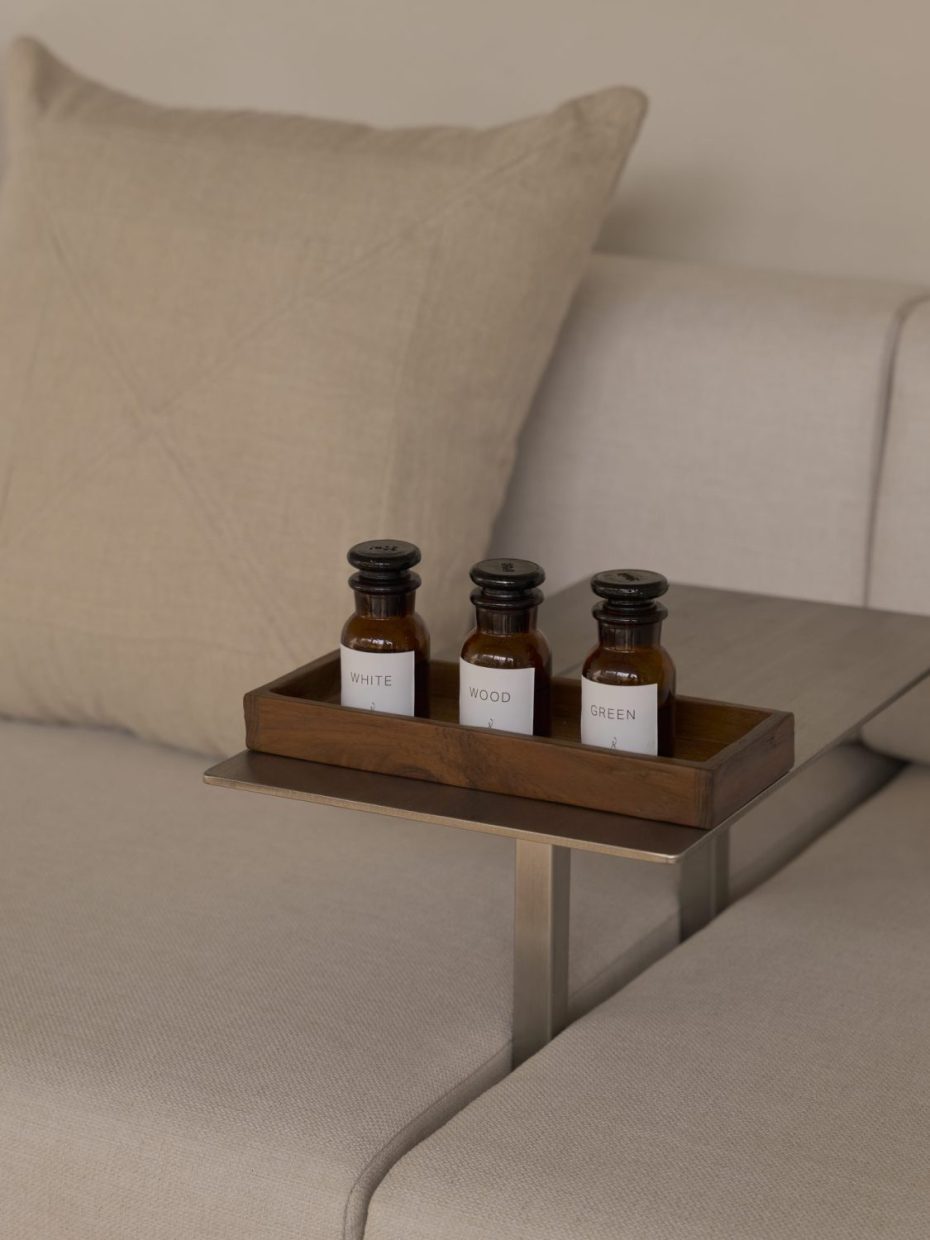
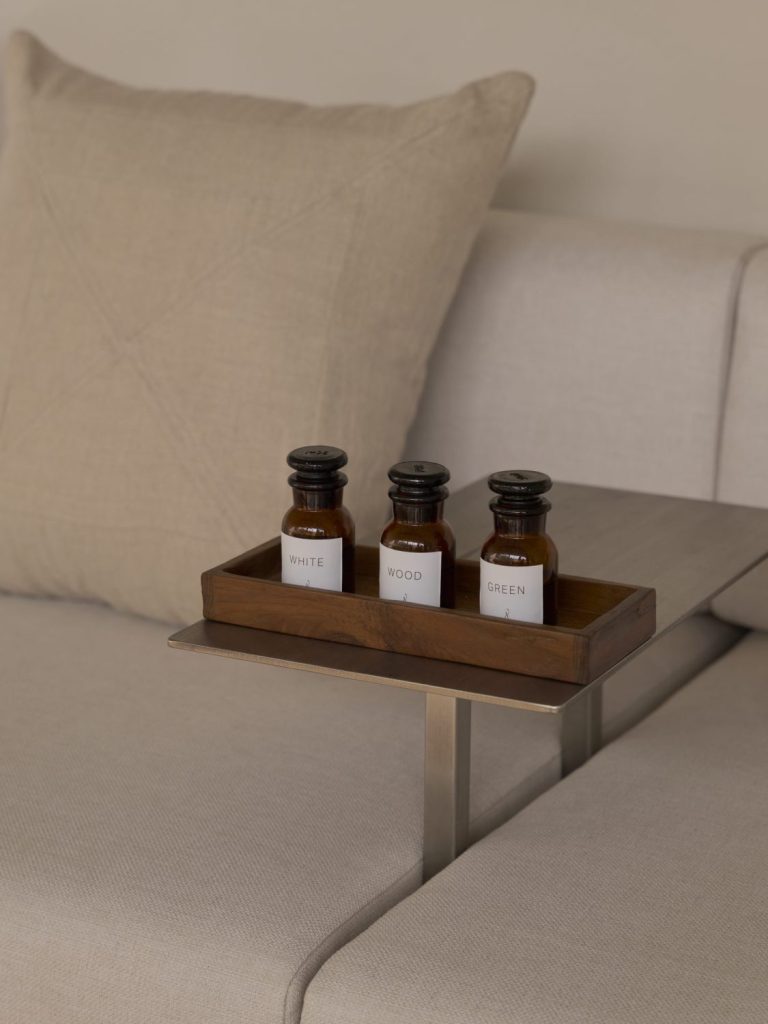
As a calming full-body aromatherapy massage in Bangkok using signature organic therapeutic essential oils, available in three signature blends:
- White, a soft mix of white flowers and chamomile
- Wood, a grounding blend of sandalwood, cedarwood, and vanilla
- Green, a fresh, restorative scent of green leaves, rosemary, grass, and lemon
The massage oil itself is a blend of grapeseed, macadamia, and avocado oils, formulated to absorb quickly and leave your skin soft rather than greasy. The sessions run 60, 90, or 120 minutes, with 90 minutes being the most popular choice for a full-body flow.
For those who prefer a traditional, oil-free alternative we also offer a traditional, oil-free Thai Restorative Massage at both locations.
Book your aromatherapy massage at White Wood Green
Deciding between Thai traditional massage vs aromatherapy comes down to listening to your body. A Thai massage uses guided pressure and stretching for a physical reset, while aromatherapy massage uses blended oils and flowing strokes to bring a slower, more sensory kind of calm.
At White Wood Green, our Organic Aromatherapy Massage pairs our signature organic essential-oil blends with a fast-absorbing oil base for true relaxation. As a wellness spa in Bangkok, our aromatherapy oil massage is available at both our Ekkamai and Yenakart locations. We also offer a traditional, oil-free Thai Restorative Massage for the firmer, stretch-led alternative.
Explore our aromatherapy massage in Bangkok at White Wood Green today. Choose a scent blend and a session length that suits your schedule. We also offer a short consultation to match the treatment to how you feel on the day.
References:
- Can Aromatherapy With Essential Oils Provide Stress Relief? Retrieved on 18 September 2026 from https://health.clevelandclinic.org/stressed-out-aromatherapy-can-help-you-to-feel-calmer
- Thai Massage: What It Is and 5 Benefits. Retrieved on 18 September 2026 from https://health.clevelandclinic.org/thai-massage
- Massage Therapy Styles: Types, Techniques, and Benefits. Retrieved on 18 September 2026 from https://www.webmd.com/balance/massage-therapy-styles-and-health-benefits
- Benefits of Thai Massage. Retrieved on 18 September 2026 from https://www.webmd.com/balance/benefits-of-thai-massage