











Key Takeaways
Muscle stiffness and soreness after a workout are the body’s normal response to exertion, driven mostly by microscopic muscle fibre damage that repairs itself within about a week. Active recovery, contrast temperature therapy, and considered massage all help shorten that recovery window, while a short list of red-flag symptoms signals when home care is not enough.
The day after a hard training session, simply getting out of bed can feel like negotiating with your own body. Legs stiffen on the stairs, shoulders resist a full stretch, and ordinary movements ask for more effort than they should.
This tightness is not a setback. Muscle stiffness is one of the clearest signals the body sends after exertion, a sign that effort and repair are two halves of the same process. Understanding what drives muscle soreness after a workout, what genuinely helps it ease, and when it calls for more than home care makes the difference between training hard and training well.
What Is Muscle Stiffness and What Causes It
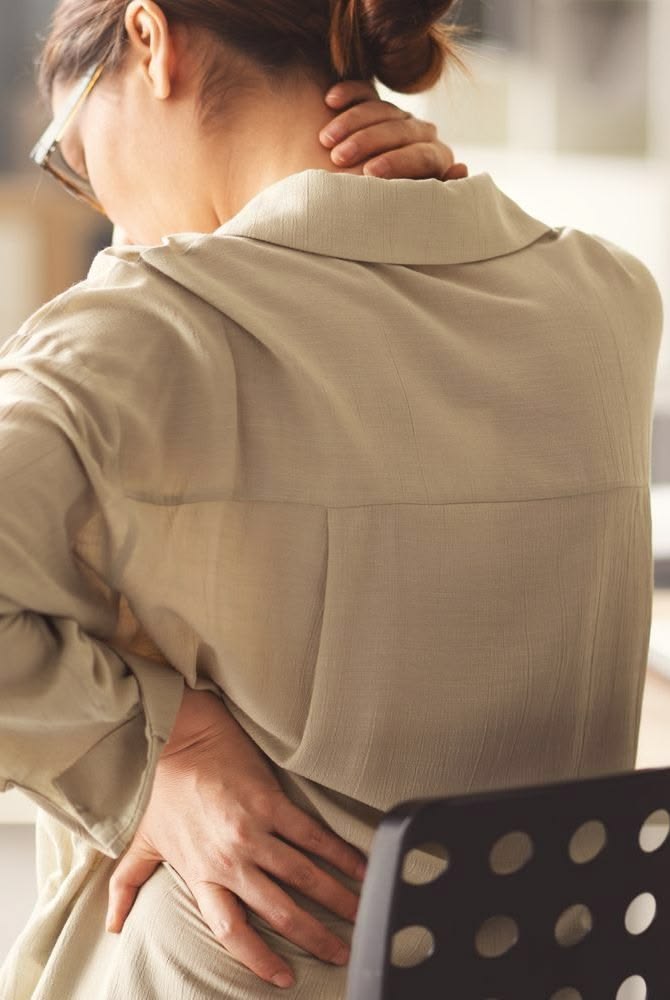
Muscle stiffness describes the sensation of tight, heavy, or restricted muscles, whether that follows a hard workout or a long stretch of sitting still. It is not sharp pain, but a resistance the body places on movement, often most noticeable in the first few steps after standing up.
A related but separate experience sits alongside it. What is muscle tension, exactly? It is a sustained, low-grade contraction in the muscle fibres, usually driven by posture, stress, or overuse rather than a single bout of exercise.
Between the two sits a wider spectrum. The types of muscle pain the body produces range from delayed-onset soreness after unfamiliar exercise, to an acute strain from a sudden movement, to chronic conditions such as fibromyalgia, which usually come with other symptoms alongside the stiffness.
What Causes Muscle Soreness After a Workout
For most people, soreness after a workout is a sign of adaptation rather than damage. Intense or unfamiliar exercise creates microscopic tears in muscle fibres, and the inflammation involved in repairing that tissue produces the ache known as delayed-onset muscle soreness, or DOMS. Symptoms typically build over the first one to three days after training and ease within about a week as the fibres heal.
Certain training choices intensify the effect, including eccentric loading, sudden jumps in training volume, and a skipped warm-up.
Beyond the gym, muscle pain causes often extend into daily habits. Dehydration limits the blood flow needed to clear metabolic waste, poor sleep slows tissue repair, and chronic stress keeps muscles in a low-grade state of contraction that makes soreness feel more pronounced.
What Helps Reduce Muscle Stiffness After Heavy Exercise
Once the initial adaptation begins, a handful of habits reliably ease the discomfort, closely aligned with what helps sore muscles after a workout:
- Active recovery: a gentle walk, easy cycling, or slow yoga keeps blood moving through the muscle without adding further strain.
- Heat, cold, or a contrast of both: warmth widens blood vessels and eases circulation, while a cold pack calms acute inflammation, offering short-term relief for tired tissue.
- Stretching and mobility work, carried out gently and only within a comfortable range, never forcing a stiff joint.
- Hydration and steady nutrition, including electrolytes and foods with anti-inflammatory qualities, since dehydration slows the clearance of metabolic waste from tired muscles.
What Is the Best Treatment for Muscle Stiffness
The right muscle stiffness treatment depends on where the stiffness comes from: ordinary training load, a suspected strain, or a longer-running condition.
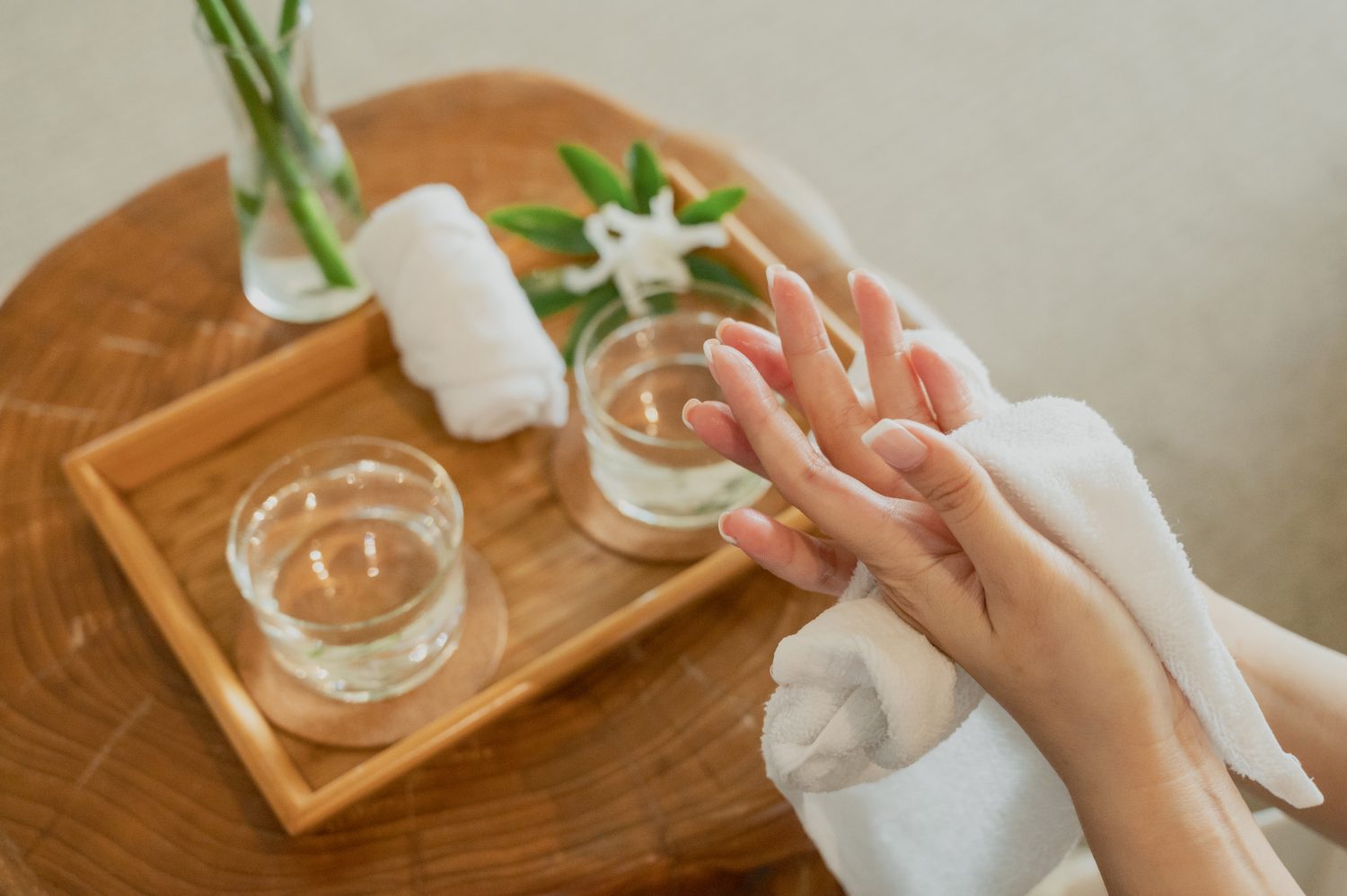
For everyday post-workout tightness, massage is one of the most consistent tools available, easing tension and supporting recovery, with aromatherapy and deep tissue techniques particularly well suited to tired, overworked muscles.
Where a strain is suspected, the familiar RICE approach, rest, ice, compression, and elevation, remains a widely recommended first response, paired with a medical opinion if the pain is sharp, swelling appears, or movement becomes limited.
For stiffness that persists well beyond a week or recurs without a clear cause, physical therapy and a broader approach to muscle pain treatment tend to offer more lasting results than a single remedy.
Some symptoms deserve prompt medical attention rather than home care: sudden severe pain, noticeable swelling, weakness, numbness, fever, or unusually dark urine can all point to something beyond typical exercise soreness.

Where the Body Goes to Recover: White Wood Green
Bangkok has no shortage of places to book a massage, but recovery goes further in a setting built around calm rather than convenience. White Wood Green runs two such spaces: a tucked-away retreat in the heart of Ekkamai, inspired by the warmth of a countryside barn, and a hidden garden sanctuary in Yenakart, near Sathon.
For stiffness that follows training, a handful of treatments stand out. The Organic Aromatherapy Massage in Bangkok calms the nervous system with therapeutic essential oil blends while working through surface tension. The Thai Heritage Massage draws on rhythmic pressure and gentle stretching, well suited to stiff joints. For deeper, more stubborn knots, the Deep Tissue Massage uses firm elbow technique to reach the deeper layers of muscle tissue and transport heat through the body.
Guided by the belief that nature and nurture exist in harmony, visit the boutique spa near Thonglor in Ekkamai for a Sukhumvit-side reset, or the luxury spa in Sathon at Yenakart for its onsen-inspired hydrotherapy suite.
Effort Deserves Equal Care
The body keeps its own record of effort, and recovery is the practice of reading that record with care rather than pushing straight through it. Most stiffness eases within a week with rest, movement, and the right kind of touch; anything sharper, more swollen, or longer-lasting is worth a professional opinion rather than a guess.
With two retreats in Ekkamai and Yenakart, White Wood Green pairs experienced therapists with treatments shaped for bodies that train hard and carry the weight of long days.
Explore White Wood Green’s aromatherapy massage in Bangkok today. Book a session at either retreat and let a calming, therapist-guided treatment ease the stiffness that training and busy days leave behind.
References:
Delayed Onset Muscle Soreness (DOMS). Retrieved in July 2026 from https://my.clevelandclinic.org/health/diseases/delayed-onset-muscle-soreness
Muscle Stiffness: Causes & Treatment. Retrieved inJuly 2026 from https://my.clevelandclinic.org/health/symptoms/25147-muscle-stiffness