









Key Takeaways
Muscle knots are hyper-irritable spots in muscle tissue, most common in the upper back and neck, and triggered by overuse, poor posture, stress, and inadequate recovery. Self-relief through sequenced movement, self-massage, heat, and hydration works for most cases, but persistent knots need professional care.
You pushed hard in the gym or sat through back-to-back meetings, and now there is a tight, tender lump in your upper back or neck that refuses to let go. That is a muscle knot, and most people simply wait for it to pass.
Also known medically as myofascial trigger points, muscle knots are one of the most common sources of workout-related and desk-worker pain, particularly in the back and neck. Yet few people understand what a muscle knot is, how to properly get rid of muscle knots, or when self-care stops being enough. Here’s what you should know.
What a Muscle Knot Actually Is
A muscle knot is a hyper-irritable, tightly contracted spot within a band of muscle and connective tissue. Medically referred to as a myofascial trigger point, the tissue stays locked in a shortened state even when the surrounding muscle is at rest.
As for what a muscle knot feels like under the skin, most people notice a small, hard nodule or tight band that is tender to touch, with a deep ache in the surrounding area. Pressing on it can reproduce or intensify the pain, and knots in the neck or shoulders often refer to pain outwards, sometimes triggering headaches or discomfort down the arm. Understanding what a muscle knot looks like and how it presents under the skin is the first step to treating it correctly.
That said, knots rarely appear on scans, which is why they are frequently overlooked. Unlike a strain or tear, a knot in muscle tissue involves no acute structural damage, no bruising, and no swelling. What lingers instead is stiffness and a reduced range of motion.
Why Muscle Knots Form
What is a muscle knot and why does it happen? The short answer is that both overuse and underuse can trigger one. Heavy lifting, high-volume training, or introducing new exercises too quickly can cause sustained fibre contraction that locks into a knot. On the other hand, prolonged sitting, poor desk posture, and static positions held for hours do the same thing more quietly.
Emotional stress adds another layer, as the body braces and holds tension in the neck and shoulders without you noticing. Poor sleep, inadequate hydration, and insufficient recovery between training sessions all raise the likelihood as well.
The upper back and neck are especially vulnerable because these postural muscles carry constant low-level load, and modern screen habits keep the neck angled forward for most of the day.
Key Differences in Muscle Knots in the Back and Neck
The location of a knot shapes both how it feels and how it responds to treatment. The back and neck are the two most common sites, but the mechanisms behind each differ slightly.
Muscle Knots in Back
Upper back knots typically live in the trapezius and rhomboids. Heavy pulling movements such as rows and pull-downs, combined with rounded-shoulder posture at a desk, are the usual triggers. The most common symptoms are a dull ache between the shoulder blades, stiffness, and restricted rotation through the middle back.
For methods on how to get knots out of your back, focus on thoracic mobility drills, foam roller work along the spine, and targeted rhomboid and chest-opener stretches done daily.
Muscle Knots in Neck
Neck knots can feel disproportionately painful because of their proximity to nerves. Common symptoms include limited rotation, tension headaches, and pain that radiates towards the jaw or shoulder. Phone and laptop position, stress-related clenching, and poor pillow support are the primary drivers.
Safer techniques to release the knot include chin tucks, upper trapezius stretches, and gentle self-massage using a soft ball against a wall. Avoid aggressive manipulation of the neck at home as the risks outweigh any short-term relief.
How to Relieve Muscle Knots from Intense Workouts
Recovery comes down to sequenced, gentle care rather than aggressive intervention. Here’s a simple four-step routine that covers most cases:
- Move and stretch gently within an hour of finishing training to prevent fibres from settling into a contracted state.
- Apply targeted self-massage with a firm ball placed under the shoulder blade against a wall, or a foam roller along the thoracic spine, to release tension and improve blood flow.
- Use heat, such as a heating pad or warm shower, to relax the muscle. Cold packs can help with acute soreness around a fresh knot.
- Hydrate well and take a proper recovery day, since sustained dehydration and overtraining both worsen trigger point formation.
As for what is the fastest way to relieve a muscle knot, combining self-massage, heat, and gentle stretching delivers the quickest short-term relief, though lasting resolution requires addressing the underlying load or posture pattern.
When to Seek Professional Treatment for a Muscle Knot
Self-care resolves most knots, but certain symptoms warrant medical attention. If you’re experiencing pain persisting beyond one to two weeks despite consistent self-care, recurring knots that limit training or daily movement, numbness, tingling, weakness, dizziness, or a stiff neck accompanied by fever, these should all be reviewed by a qualified professional.
Professional treatment usually combines manual therapy and targeted massage to release trigger points, sometimes dry needling, and exercise-based rehabilitation to correct the movement or posture patterns driving recurrence.
If muscle knots are a persistent enough problem, opting for ongoing, relationship-based care is often better than one-off fixes, as a trained therapist monitors your progress, adjusts technique across sessions, and addresses the root causes better than self-treatment. Done properly, this can be beneficial to mental health as well.
A Personalised Approach to Muscle Recovery at White Wood Green
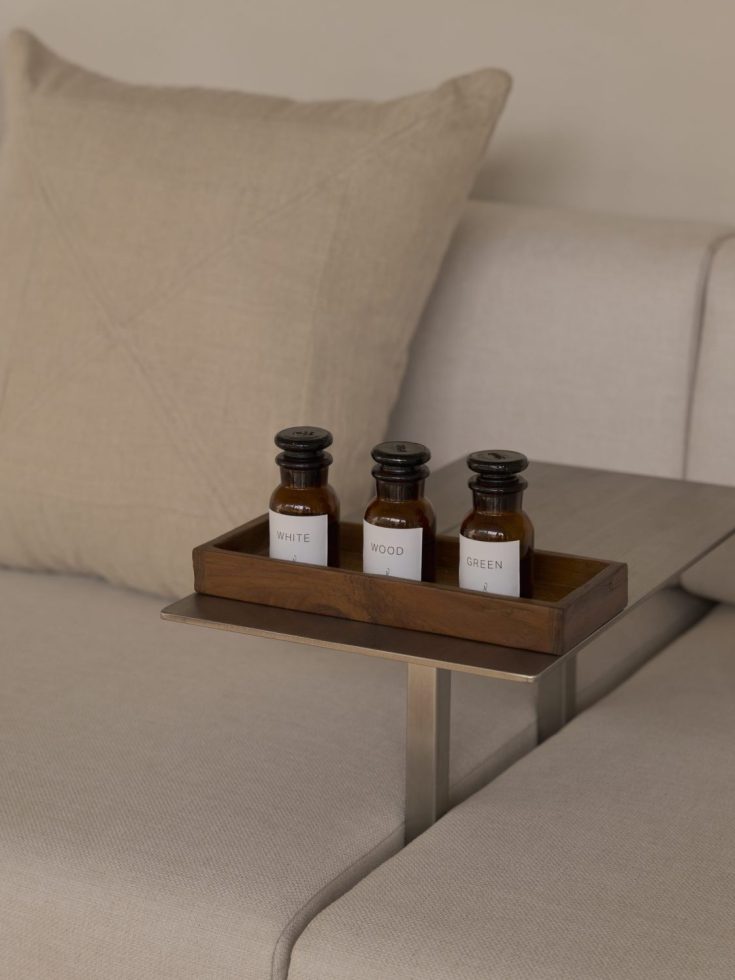
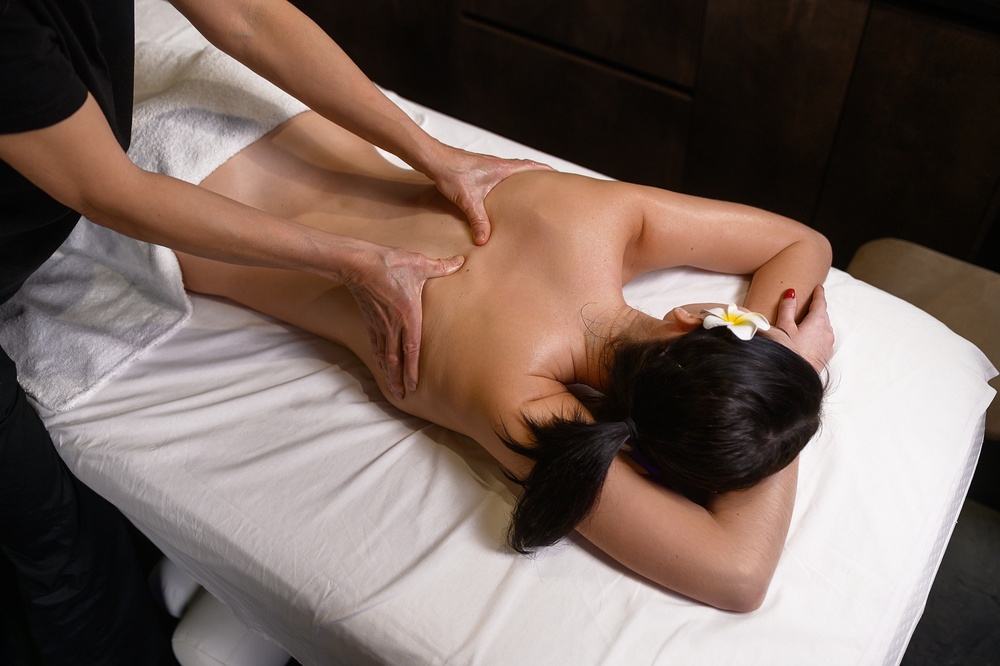
White Wood Green offers a considered, personalised approach to muscle recovery across two boutique branches in Bangkok. Each of our treatments is designed around your preferences, pressure tolerance, and what your body is holding on the day.
As a luxury spa in Bangkok focused on personalisation, we offer treatments suited to muscle knot recovery, which include our Deep Tissue Massage using firm elbow techniques for deeper muscle layers, our Head, Neck & Shoulder Massage for the areas most affected by desk and training stress, our White Wood Green Therapeutic Signature Massage combining custom essential oil blends with signature pressure flows, and our Healing Hot Stone Massage.
Our treatments are available at two locations. Our Ekkamai branch is a hidden urban escape inspired by the warmth of a countryside barn, while our Yenakart branch is a private wellness sanctuary with onsen-inspired hydrotherapy.
Book Your Recovery at White Wood Green
Muscle knots are hyper-irritable, tightly contracted spots within muscle tissue, most commonly found in the upper back and neck, triggered by overuse in training, sustained desk posture, stress, and poor recovery habits. Treating them yourself with massage, heat, and stretching offers short-term relief, but recurring or persistent knots usually point to an unresolved root cause best addressed by a professional.
At White Wood Green, our experienced therapists deliver deep tissue, therapeutic signature, and head, neck & shoulder treatments at our Ekkamai and Yenakart branches, using organic ingredients and pressure adjusted around each guest. With us, we provide the right care that helps get the knots out of you.
Book a spa massage in Bangkok at White Wood Green today. We offer single sessions, half-day, and full-day packages across our Ekkamai and Yenakart branches. You can also reach us on Line @wwgspa to plan a personalised recovery session.
References:
What Are Muscle Knots and How Do I Get Rid of Them? Retrieved on 23 July 2026 from https://health.clevelandclinic.org/what-are-muscle-knots-and-how-do-i-get-rid-of-them
What to Know About Muscle Knots. Retrieved on 23 July 2026 from https://www.webmd.com/fitness-exercise/what-to-know-muscle-knots