










Key Takeaways
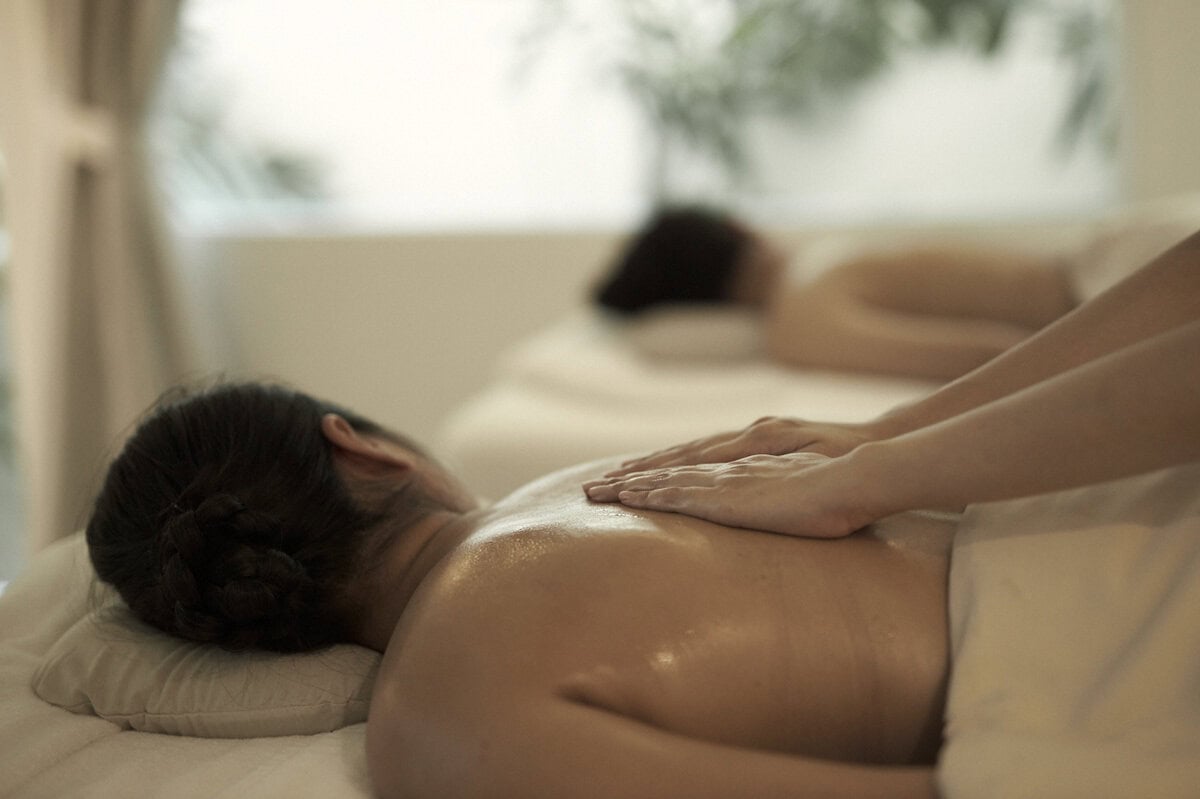
Spa treatments can support mental health by calming the nervous system, easing physical tension, and improving sleep, with the strongest effects seen when visits are consistent rather than one-off. Research links massage and aromatherapy to lower anxiety and better sleep quality, though spa therapy works best as support alongside professional care, not as a replacement for it. In Bangkok, boutique wellness destinations such as White Wood Green offer treatment menus tailored to stress, sleep, and emotional reset.
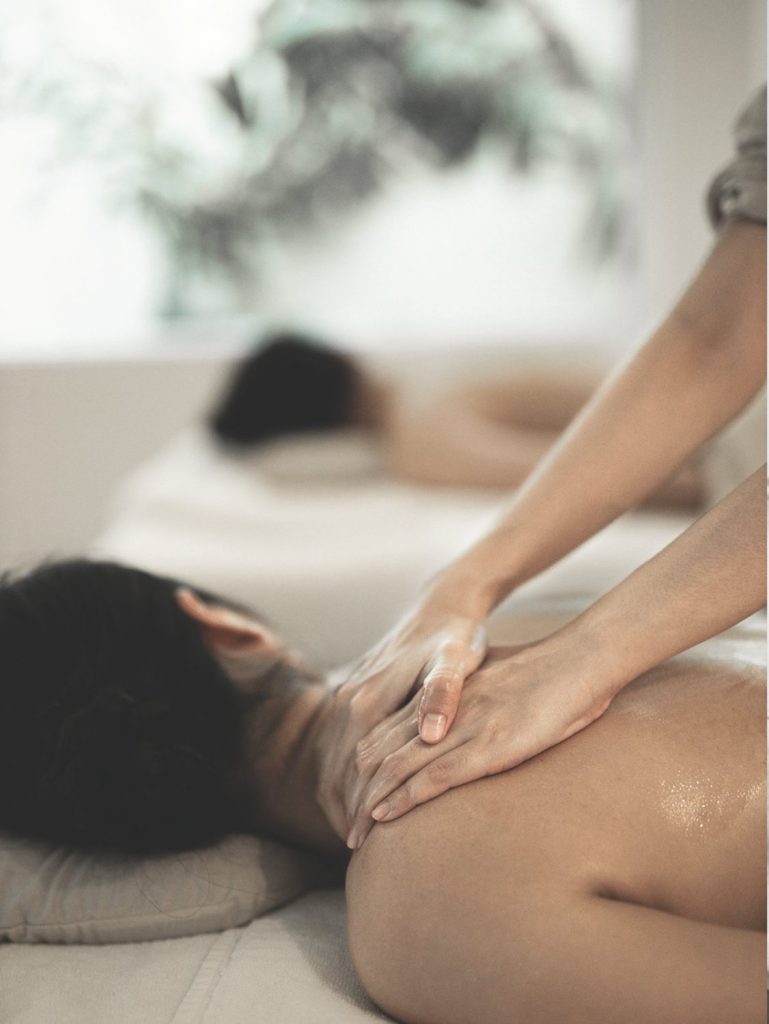
Bangkok’s fast pace, fueled by traffic, deadlines, and constant notifications, creates significant pressure that manifests physically as tense shoulders, a clenched jaw, and poor sleep. Massage can ease this type of physical discomfort. Although many people consider massages a nice-to-have, studies indicate they can offer benefits beyond simple pampering. We ask, can spa treatments improve mental health, or is it just a pleasant afternoon?
The honest answer sits in between. While spa therapy is not a cure for clinical conditions, the benefits of spa treatment for stress, sleep, and emotional balance are real when used consistently. Here is how spa and massage affect the body and mind, which treatments are worth your time, and what to look for if you are exploring spas for mental health in Thailand.
The Mental Health Cost of Modern Life Has a Physical Signature
Chronic stress is rarely just a feeling. When the body stays on alert, it shows up physically:
- Shallow breathing and an elevated heart rate
- Disrupted sleep
- Muscle tension is so familiar that people stop noticing it.
The World Health Organization treats stress as a significant and growing health burden and recognises burnout as an occupational phenomenon. Cognitive tools like therapy, journaling, and mindfulness are the foundation for many people, but they can plateau when the body itself stays locked in a stress response. A mind that wants to rest cannot always override a body that is still braced.
This is where spa and bodywork fit, not as a replacement for therapy or medical care, but as a direct physical input that helps the nervous system downshift.
How Spa Treatments Affect the Brain and Nervous System
The nervous system operates in two main ways: the sympathetic branch, which triggers the fight-or-flight reaction, and the parasympathetic branch, which manages the rest-and-digest state for recovery. Chronic stress keeps people tilted toward the first. Most spa treatments offer slow, sustained pressure and gentle warmth, which helps guide the body toward the second state.
It is worth being precise about the science, because spa marketing often overstates it. Massage is often referred to as a cortisol-lowering treatment. Some studies show that effect, but comprehensive reviews have found it to be small and inconsistent. The benefits of spa massage come less from cortisol reduction and more from pressure-receptor stimulation and increased vagal nerve activity, which influence mood and stress regulation more directly.
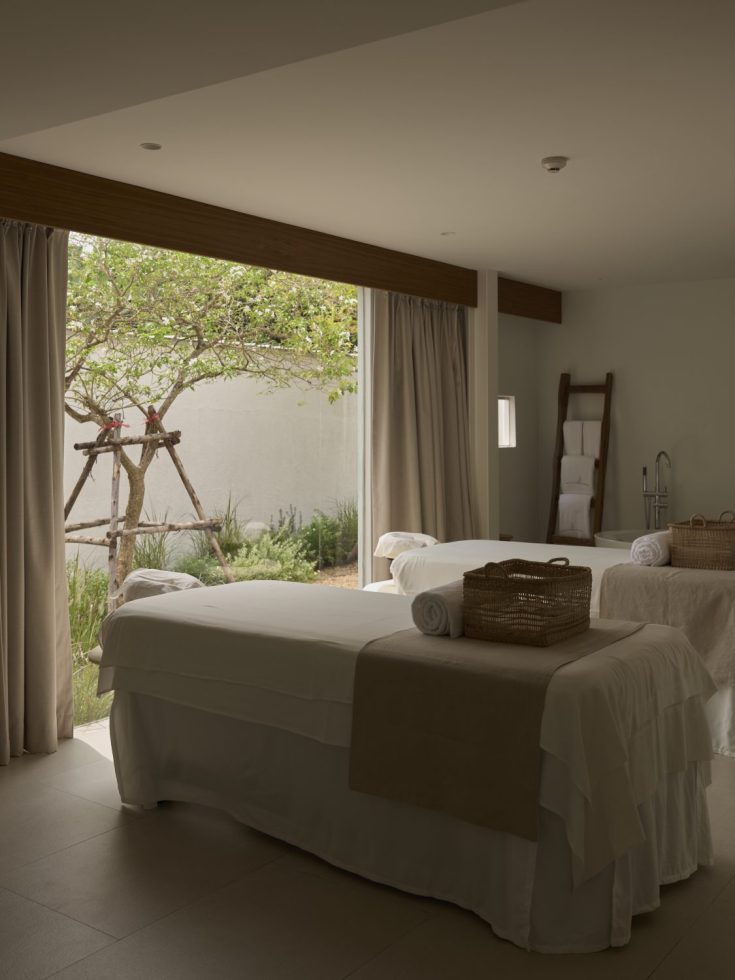
Environmental factors are also crucial; dim lighting, curated sounds, a pleasant aroma, and avoiding screens contribute to a lighter cognitive load. Calmness stems from both the therapist’s touch and the peaceful environment, free from pressures.
What “Relaxation” Actually Does Inside the Body
Contrary to how it might feel, relaxation is actually a measurable physiological state. When the parasympathetic system is active, heart rate variability tends to improve, muscle tension eases, and breathing settles.
A single session produces an immediate calm that most people feel for the rest of the day, and the more durable shifts come from regular sessions.
The Spa Treatments Most Connected to Mental Wellbeing
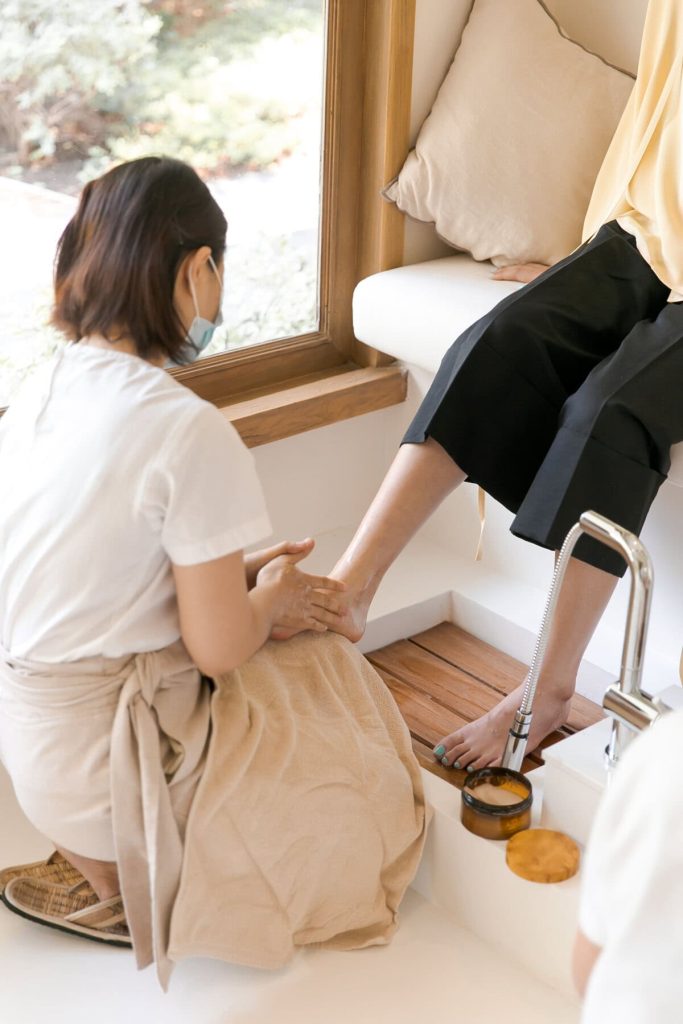
Not every treatment serves the same purpose. If mental well-being is your goal for spa and mental health in Thailand, some are far more relevant than others:
- Thai heritage massage: acupressure, assisted stretching, and rhythmic compression. Recognised by UNESCO in 2019 as intangible cultural heritage, it releases tension held in the back, shoulders, and legs.
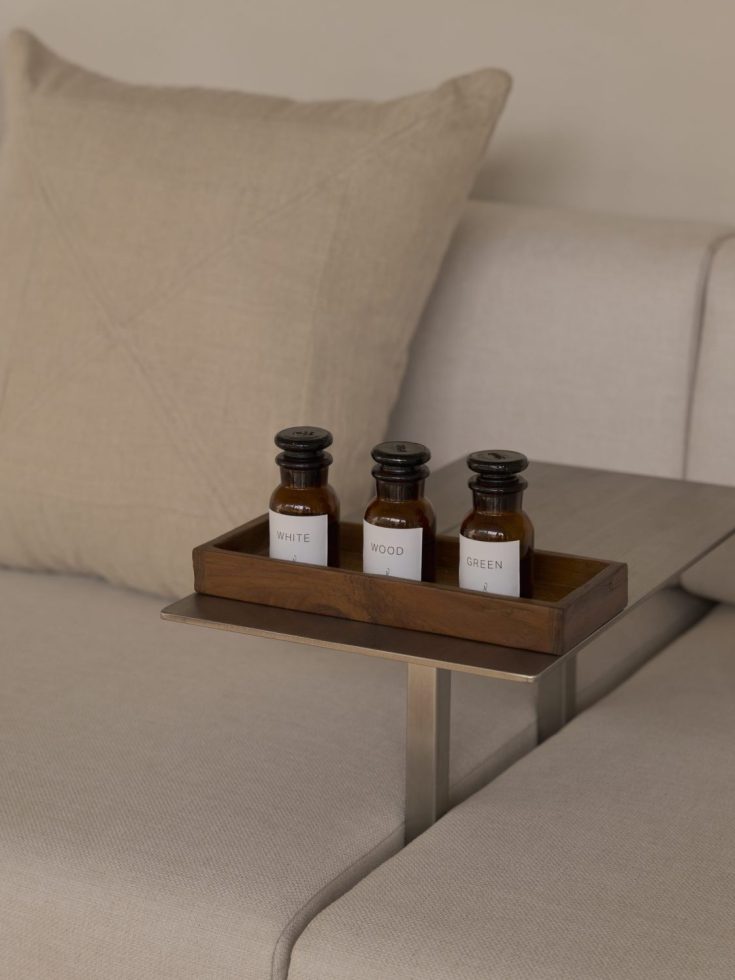
- Aromatherapy massage: bodywork paired with essential oil blends. Research reviews link aromatherapy to lower anxiety and better sleep, with massage delivery tending to outperform scent alone.
- Sleep-therapy massage: structured specifically to lower physical and mental arousal, well-suited to anyone whose mind races at night.
- Reflexology: works pressure points across the feet that many find deeply grounding.
- Hot stone therapy: heat amplifies muscle release and circulation, good for stress held in the upper body.
- Hydrotherapy and warm baths: water immersion has its own long history as a calming tool.
- Head and scalp rituals: target the area where tension headaches and an overactive mind concentrate.
Matching the Treatment to What You’re Actually Carrying
The simplest way to choose a spa treatment for mental health is to start from the symptom. If racing thoughts and poor sleep are the issue, aromatherapy massage, sleep-therapy massage, and head rituals target arousal directly. If physical tension is what is dragging down your mood, Thai heritage massage, deep tissue, and hot stone work address the body.
That said, a single 60-minute session rarely does enough if you’re feeling especially depleted. Combining several modalities is more ideal in such instances, as it gives the body the time it needs to genuinely reset.
What to Look for in a Spa When Mental Well-being Is the Goal
Not every spa is built with mental well-being and health in mind. A few signals are worth checking before you book:
- Therapist experience: good practitioners read the state you arrive in and adapt pressure, pace, and conversation.
- Environment: natural light, greenery, sound control, and separation from street noise reduce sensory load.
- Menu depth: a spa offering sleep-focused, aromatherapy, and head-specific treatments has considered mental well-being, not just generic relaxation.
- Product transparency: organic, naturally sourced ingredients matter for anyone with skin sensitivity or scent reactivity tied to anxiety.
- Honest positioning: a spa that frames itself as wellness support, not therapy or medical treatment, is being straight with you.
Experience White Wood Green’s Approach to Spa for Mental Wellness Support
Chronic stress shapes mental health far more than most people realise, and a lot of it lives in the body. Through practices such as aromatherapy and Thai heritage massage, spa treatments alleviate physical tension, enhance sleep quality, and foster a feeling of tranquility. The right spa makes a noticeable difference you can truly feel.
At White Wood Green, we built our two Bangkok locations around the merging of nature and nurture. Our Ekkamai 12 branch is a boutique spa in Thonglor, while our Yen Akart branch is a wellness spa in Sathon, both offering a low-stimulation, garden-view space away from main-road noise for a genuine break. For enhanced mental wellbeing and a deeper reset, consider our sleep-therapy massage, organic aromatherapy, Thai heritage massage, hot stone treatments, and Yen Akart’s onsen-inspired hydrotherapy.
Explore the experience at White Wood Green today, your boutique spa and wellness destination in Bangkok. Book a sleep-therapy massage, aromatherapy session, or half-day reset at either location, each set in garden-view rooms designed around mental and physical recovery.
References:
- Nuad Thai, traditional Thai massage. Retrieved on 25 May 2026 from https://ich.unesco.org/en/RL/nuad-thai-traditional-thai-massage-01384
- Does massage therapy reduce cortisol? A comprehensive quantitative review. Retrieved on 25 May 2026 from https://pubmed.ncbi.nlm.nih.gov/21147413/
- Effectiveness of aromatherapy on anxiety and sleep quality among adult patients admitted into intensive care units: A systematic review. Retrieved on 25 May 2026 from https://pubmed.ncbi.nlm.nih.gov/36738535/
- Massage therapy research review. Retrieved on 25 May 2026 from https://pmc.ncbi.nlm.nih.gov/articles/PMC5564319/