








Key Takeaways
- Lymphatic drainage massage uses slow, light strokes to move fluid just beneath the skin, rather than deep pressure on the muscle.
- It eases puffiness, heaviness, and sluggishness while leaving the skin looking clearer, though it is not a weight-loss treatment.
- Arrive hydrated and avoid a heavy meal beforehand, expecting an immediate sense of lightness and increased fluid release over the following day.
- It suits frequent travellers, active bodies, and anyone seeking a gentler alternative to firm-pressure massage, though some health conditions call for a doctor’s clearance first.
- A short dry brushing ritual beforehand helps prepare the skin, and the gentle technique is best performed by a therapist trained specifically in it.
Lymphatic drainage massage is designed to get that fluid moving again. As the treatment has shifted from medical clinics to everyday spas, the hype has naturally created some confusion. To be clear: it is not a miracle detox or a weight-loss shortcut. Understanding exactly what it does, how it supports your system, and who it actually benefits is the first step to deciding if it belongs in your routine. Guests searching for lymphatic drainage massage in Ekkamai or lymphatic drainage massage in Yenakart often seek relief from travel-related swelling and fatigue.
Understanding the Lymphatic System
The lymphatic system, the body’s natural filtration system, works beneath the skin without pause, helping the body filter waste products and supporting immune function. It also carries immune cells and helps absorb nutrients the bloodstream cannot take up on its own.
For all it does, the system has one quiet dependence: unlike blood, lymph has no pump of its own, so it relies on movement and breath to keep flowing. When the body stays still for long hours, the current slows and fluid settles.
What a Lymphatic Drainage Massage Is
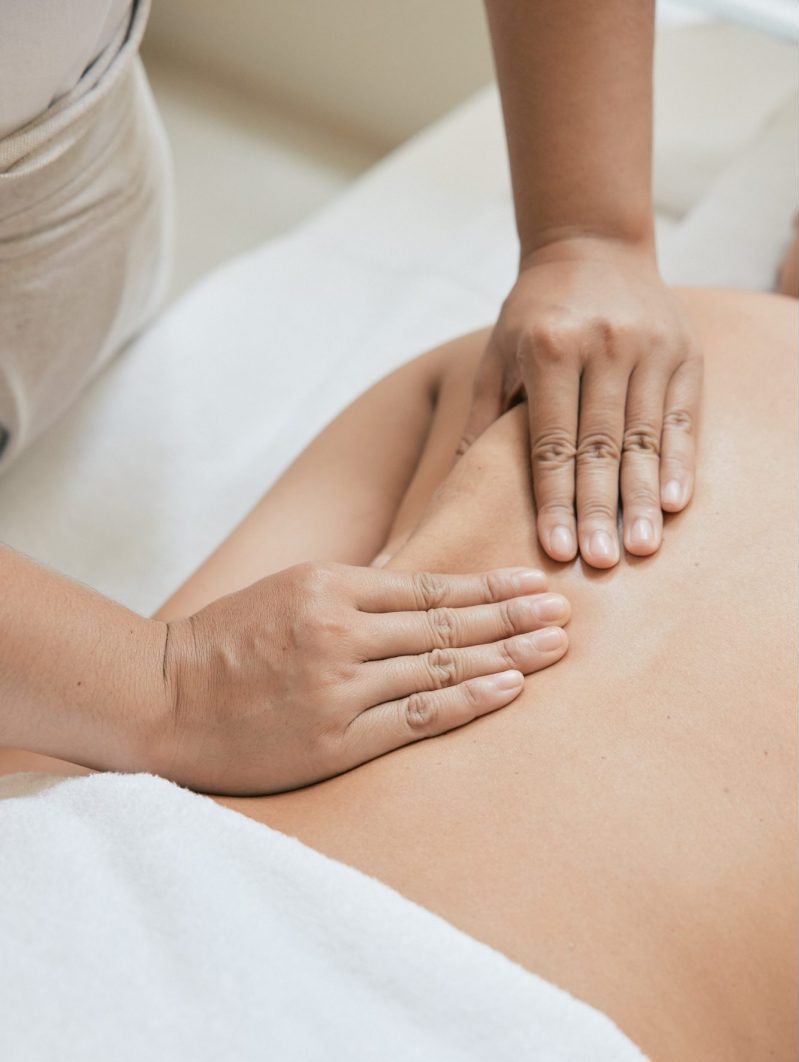
At its core, the treatment uses slow, directional strokes that trace the lymphatic pathways, encouraging settled fluid back into motion.
The strokes are not new. The method reaches back to the 1930s, when Danish practitioners Emil and Estrid Vodder shaped the rhythmic technique still used today. Their insight was restraint. Lymph vessels lie just beneath the skin, so the touch stays light, asking for care rather than force; firm pressure slows the flow rather than supporting it.
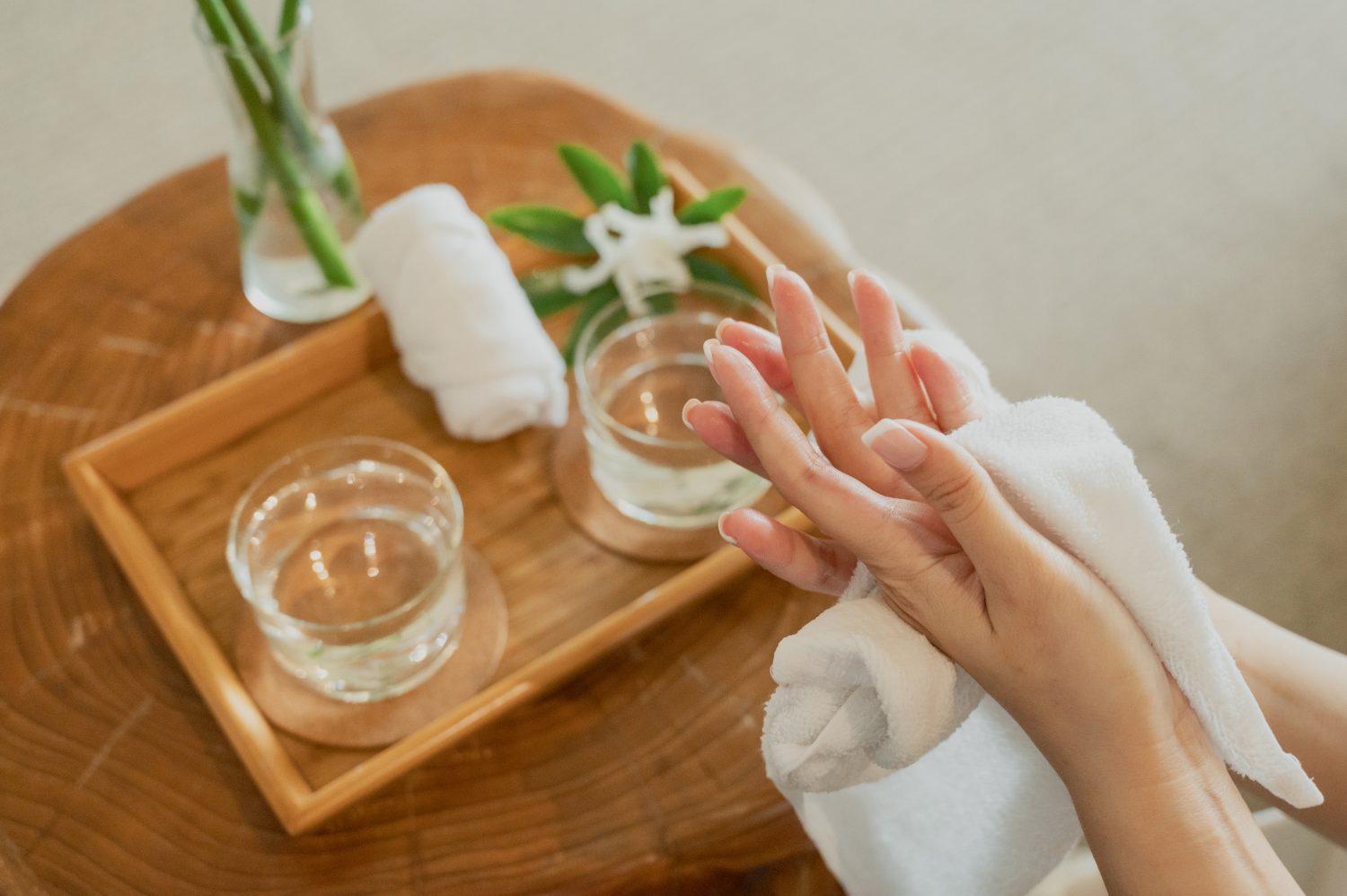
That same restraint shapes how a session begins. It opens with a short dry brushing ritual to prepare the skin, rousing the surface so the strokes that follow move with greater ease.
Benefits of Thai Massage vs Lymphatic Drainage Massage
A traditional Thai massage works deeply, using firm pressure and assisted stretches to loosen tense muscles and stiff joints. In contrast, lymphatic drainage stays right at the surface, using a gentle, rhythmic touch to guide trapped fluid rather than knead tissue. One focuses on releasing muscle; the other focuses on circulation.
They also complement each other well. Across a longer spa visit, the benefit of a Thai massage and lymphatic drainage together is that one eases physical aches while the other clears fluid build-up. If you are choosing between them, let your body decide: pick Thai massage when you feel stiff or sore, and lymphatic drainage when you feel heavy, puffy, or simply run-down.
The Benefits You Can Expect From It
Whatever draws you to it, most people leave feeling much the same: lighter, clearer, quietly restored. Those effects come from supporting the body rather than treating any condition, and they show up in a few ways:
- Immune support through steady flow. The lymphatic system plays an important role in immune function, and lymphatic drainage massage is intended to support healthy lymph movement.
- Reduced fluid retention and puffiness. It eases the heaviness that gathers from high-sodium food, hormonal shifts, or long still hours, so the body feels lighter.
- A calmer mind and deeper rest. Slow, rhythmic strokes settle the nervous system, and many guests report feeling deeply relaxed and more rested following treatment.
- Clearer, more refined skin. Easing fluid close to the surface softens puffiness around the eyes and jawline for a brighter, more even look.
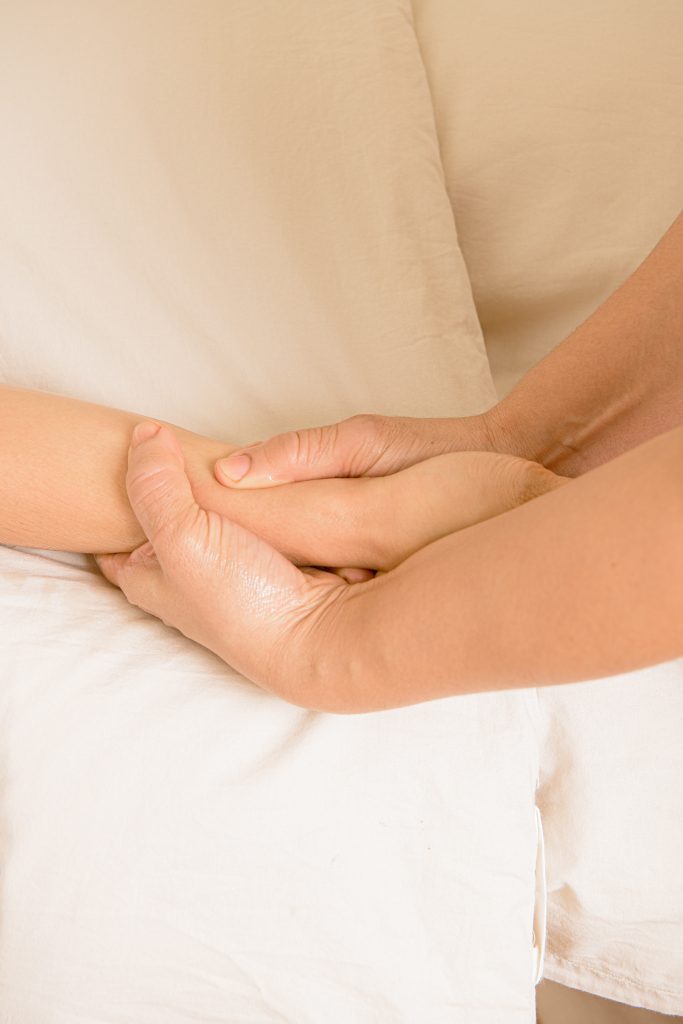
Before and After a Lymphatic Drainage Massage
A little thought around the visit helps those effects settle. Beforehand, arrive well hydrated, skip a heavy meal in the hour before, and share any health conditions or recent surgery during your consultation.
Afterwards, the body often feels lighter at once, with a soft warmth as circulation settles. As for what to expect after a lymphatic drainage massage, the following day usually sees the body passing more fluid as it rebalances, along with a restful period while it resets. Keep the aftercare gentle: water to your natural thirst, a little movement, and a lighter evening meal.
Before
- Hydrate well
- Avoid heavy meals
- Communicate health conditions
After
- Increased urination
- Reduced puffiness
- Feeling lighter
- Improved relaxation
Who This Gentle Treatment Suits Most
Ideal for frequent travellers, athletes, and those seeking gentle relief from fatigue or swelling, this restorative treatment requires prior medical clearance for individuals with blood clots, active infections, heart or kidney conditions, recent surgery, or unexplained swelling.
How Often You Should Book a Session
For those it suits, how often to return depends on what you are seeking. For general wellness, once every four to six weeks is a comfortable pace, and a session within a day or two of a long flight can bring noticeable ease. A one-off reset can stand on its own, with follow-ups as the body responds. The effect deepens with regularity, so steady visits settle more fully than an occasional single session.
A Gentler Kind of Care for the Body
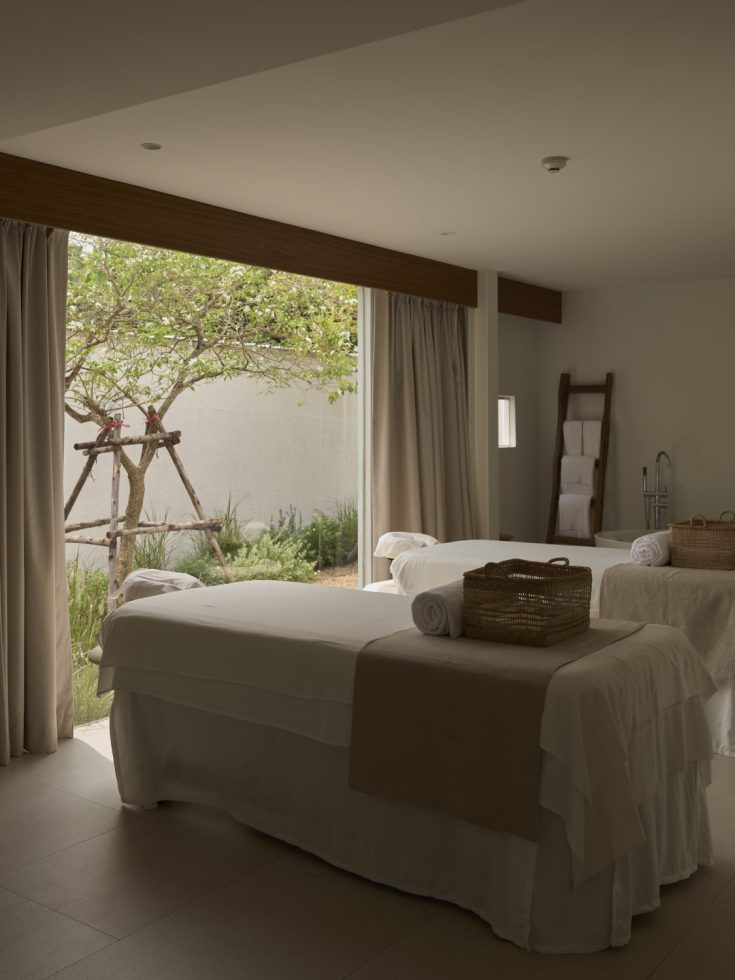
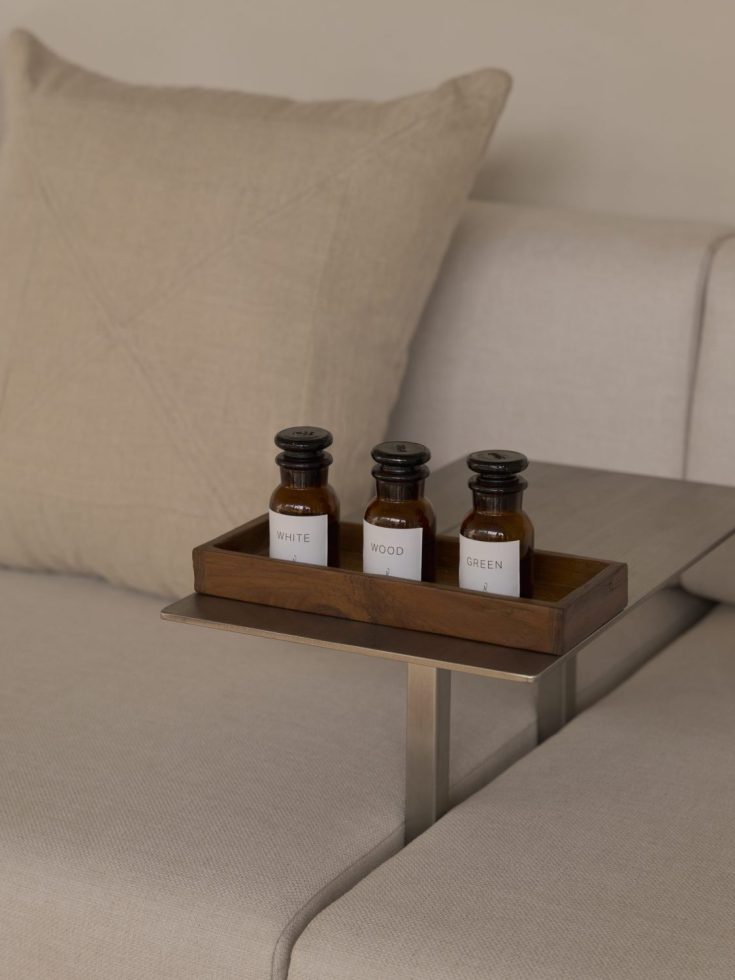
A treatment this gentle deserves a setting to match. White Wood Green, a wellness spa in Bangkok, keeps its rooms quiet and its pace unhurried, shaped by the nature-and-nurture philosophy that gives the spa its wood and greenery. Here, lymphatic drainage is a specialism rather than a sideline, handled by therapists trained specifically in it.
Every session is built around the body in front of it, not a fixed routine. Some guests arrive weighed down after long flights, others after weeks that never seemed to stop, and a few simply want an hour that asks nothing of them. The treatment adjusts to each, ending in the same quiet lightness.
Book your lymphatic drainage massage in Ekkamai or Yenakart, where certified therapists shape each session around you. One session leaves you lighter, and regular visits keep you there.
References:
Lymphatic Drainage Massage. Retrieved 13 October 2026, from https://my.clevelandclinic.org/health/articles/21768-lymphatic-drainage-massage
Lymph Drainage Massage: Benefits and Risks. Retrieved 13 October 2026, from https://www.webmd.com/a-to-z-guides/what-is-lymph-drainage-massage
Frequently Asked Questions About Lymphatic Drainage Massage
Q: What happens during a lymphatic drainage massage at a spa, and do you wear clothes?
A: The session unfolds through slow, light, directional strokes that follow your lymphatic pathways, often beginning near the main drainage points at the neck, underarms, and groin. It takes place on a massage bed with professional draping, so you undress only to the level you feel comfortable with and remain covered throughout. A short dry brushing ritual often prepares the skin before the strokes begin.
Q: How long does a lymphatic drainage massage take?
A: A full-body session usually runs between about ninety minutes and two hours, depending on how much of the body is being worked on. A shorter session suits a focused reset, while a longer one allows a slower, more complete treatment.
Q: How is a lymphatic drainage massage different from a regular or Thai massage?
A: A regular or Thai massage works into the muscle with firmer pressure and, in Thai massage, assisted stretching. Lymphatic drainage stays at the surface, its light strokes moving fluid rather than releasing muscle. Since each does a different job, many guests pair the two on a longer spa day.
Q: Is a lymphatic drainage massage good for weight loss?
A: No, it is not a weight-loss treatment. What it can do is ease bloating and fluid retention, so the body often feels and looks less puffy afterwards. That change comes from moving fluid, not from losing fat.