








Before White Wood Green: What This Space Used to Be
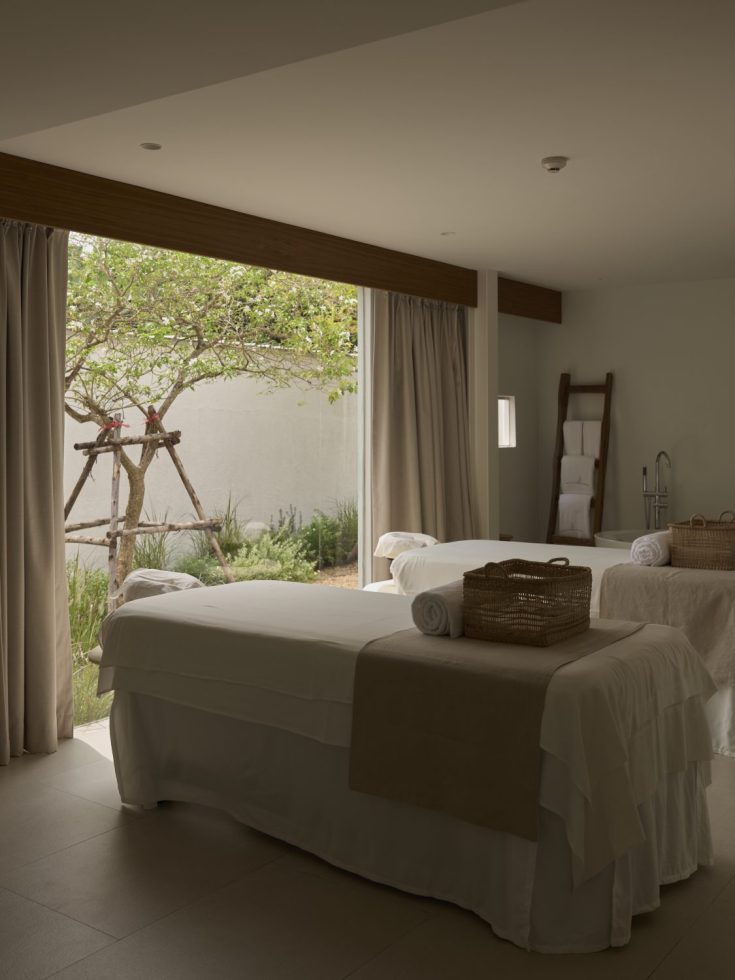
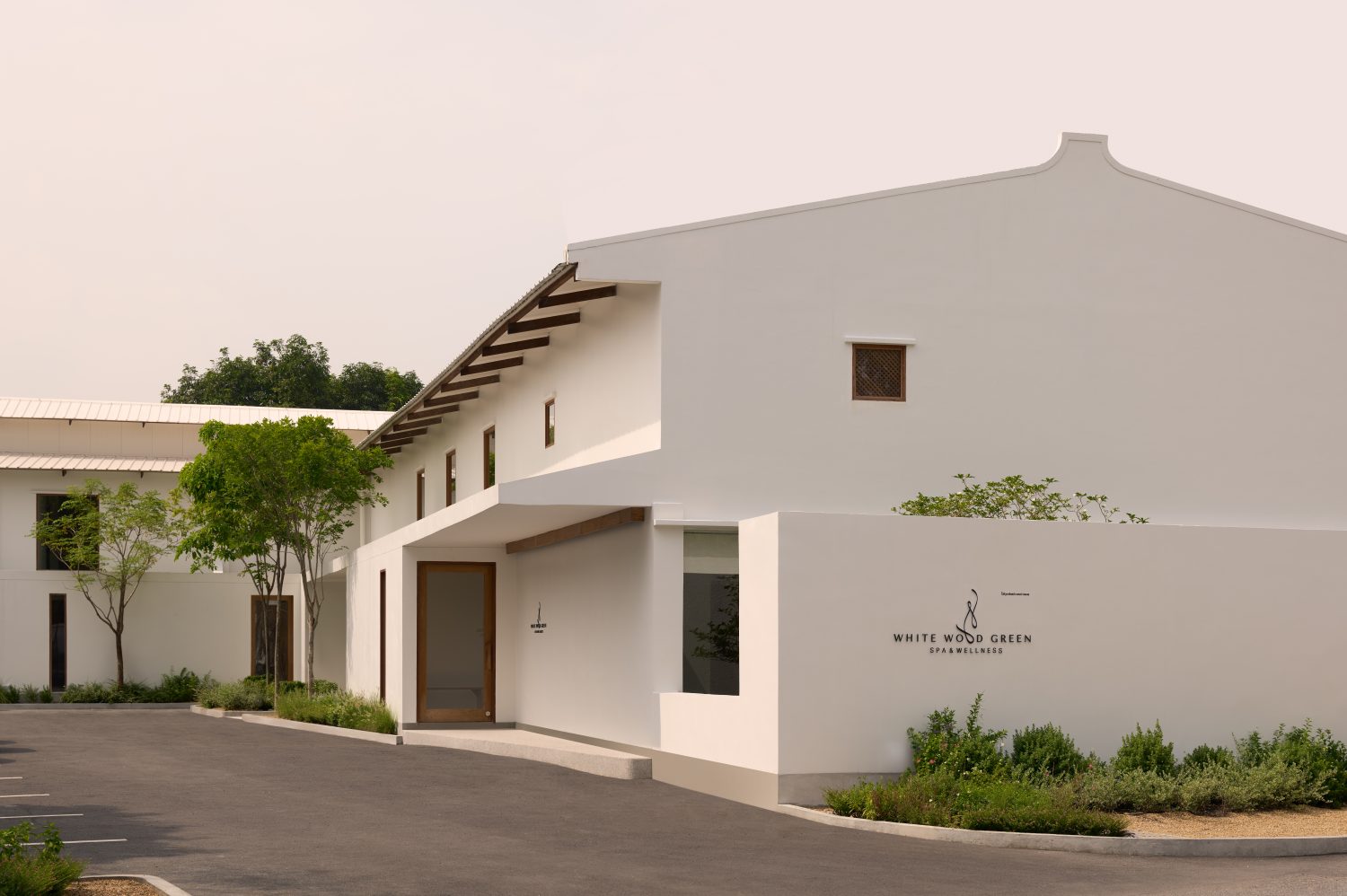
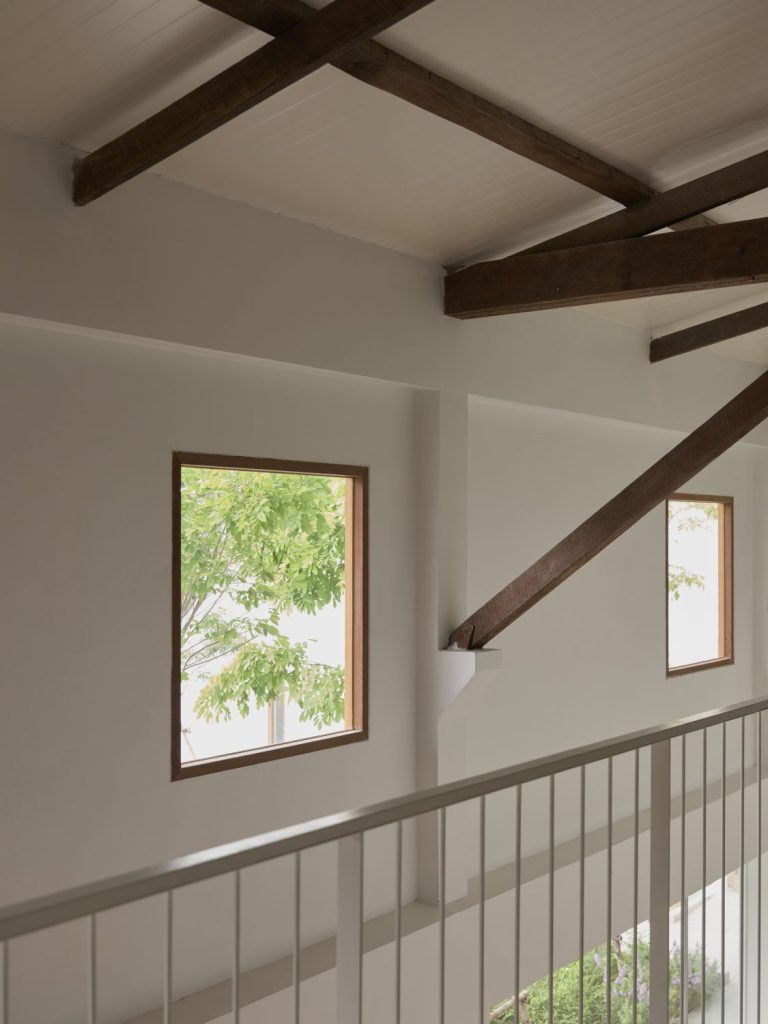
Before it became White Wood Green, this space was a warehouse. When we took it on, we made a deliberate choice to keep its original structure rather than tear it down, including the real wood that had held the building together for years. From there, we shaped the interior around our own philosophy, letting White, Wood, and Green guide every design decision that followed.
Keeping the real wood wasn’t just a design preference. Real, unreplicated materials carry a texture and a quality that nothing manufactured can quite imitate, something closer to a spiritual feeling than a visual one. It’s part of why we built three small botanical gardens throughout the space as well. We wanted every corner to feel like a quiet escape into nature, even though you’re still, technically, in the middle of the city.
That contrast is really the heart of what we were trying to create: a space where the noise of Bangkok fades the moment you step inside, without ever having to leave it.
The Decision to Restore Instead of Replace
Why We Chose to Keep the Original Structure’s Wood
When we first looked at this warehouse, the easier path would have been to strip it down and start over. New materials are faster to source, easier to control, and simpler to design around. But the wood that had held this building together for years already had something we couldn’t recreate: a texture, a weight, a history that no replica could match. Tearing it out would have meant erasing the one thing that made this space feel real rather than staged.
Keeping it was less a design decision than a values decision, in line with everything White Wood Green stands for. If our philosophy is about slowing down and reconnecting with what’s genuine, starting by discarding something genuine for the sake of convenience would have contradicted the very idea we were trying to build.
What Reclaiming It Meant for the Design Process
Restoring instead of replacing changed how we approached almost every decision that followed. Working with existing wood meant designing around its imperfections rather than smoothing them away, letting the grain, the marks, and the wear stay visible instead of hidden. It slowed the whole process down considerably. Every new element we brought in, the botanical gardens, the layout, the finishes, had to be chosen carefully enough to sit alongside something that already had its own character, rather than simply filling a blank space. It would have been quicker to design from scratch. But that slower, more considered process is exactly what shaped the space into somewhere that feels lived-in and intentional from the moment you walk in, rather than newly built to look that way.
How the Wood Shapes the Feeling of the Space Today
Craftsmanship as a Form of Care
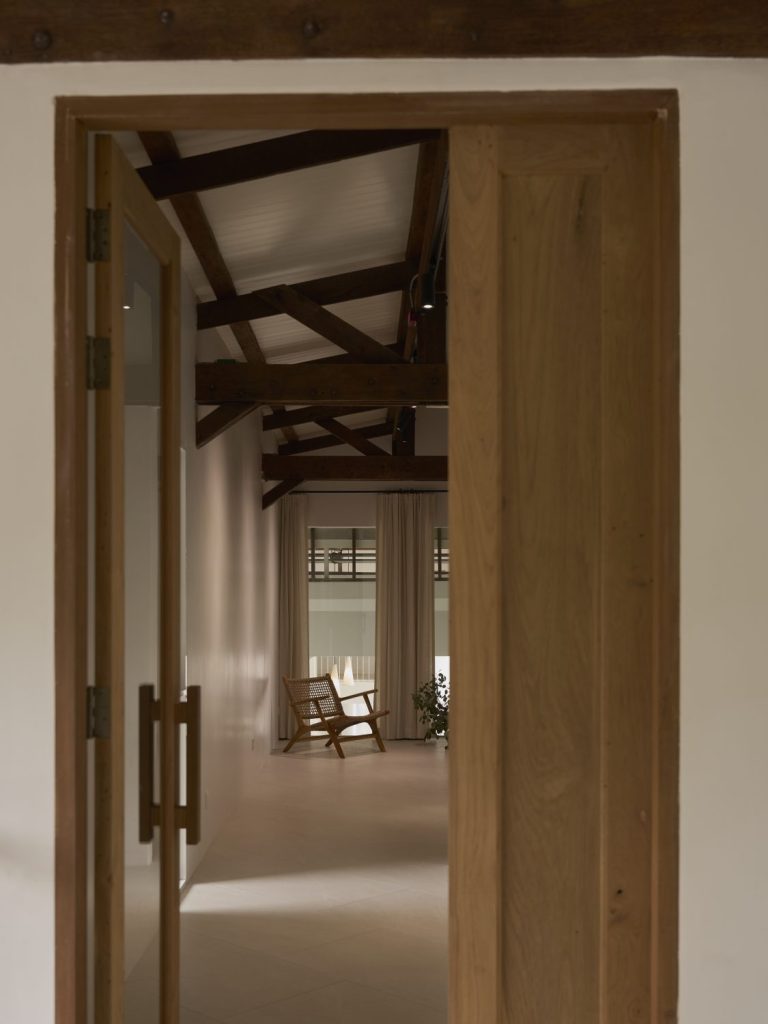
Working with reclaimed wood takes a different kind of attention than working with new material. Every beam and panel had its own history, its own quirks, which meant nothing could simply be installed without thought. Each piece had to be handled with care, considered for where it would sit and how it would age within the new design. That level of attention doesn’t disappear once the space is finished. It stays present in the finished result, in the way the wood catches light differently across the day, in the small variations that make one wall unlike any other.
In a sense, the craftsmanship behind restoring this wood mirrors the same care we hope to offer every guest who walks through the door: nothing rushed, nothing generic, everything shaped with intention.
Why Imperfection and History Feel More Grounding Than Anything New
There’s a particular calm that comes from being around something that has clearly lived a life before you arrived. New materials, however beautifully finished, tend to feel a little unfinished in a different way, too perfect to feel entirely real. The marks and unevenness in reclaimed wood do the opposite. They signal that this space has a past, that it wasn’t manufactured to look aged, it simply is. For guests coming from fast-paced, often artificial environments, that sense of history offers something quietly reassuring. It’s harder to feel rushed in a room that clearly wasn’t either.
How This Story Reflects Our Philosophy
Wood as More Than a Design Choice — A Value
It would have been easy to treat the wood as simply an aesthetic feature, something chosen because it looks warm and natural in photos. But that was never really the point. Keeping it was an early test of whether we’d actually live by the philosophy we were building the brand around. White Wood Green asks people to slow down, to value what’s genuine over what’s convenient, and to find calm in things that feel considered rather than manufactured. Choosing to restore instead of replace was the first place we had to apply that belief to ourselves, before ever asking a guest to feel it. In that sense, the wood isn’t a symbol of our values. It’s proof that we were willing to act on them, even when the easier choice was sitting right in front of us.
Every Detail Here Was Kept, Chosen, or Considered — Never Just Decorated
None of this space happened by accident. The wood wasn’t kept because it was trendy, and it wasn’t left in place to save on renovation costs. It stayed because it was the right thing to do, in a space built around the idea that real matters more than perfect. That same principle carried through everything that came after: the gardens, the layout, the pace of your visit from the moment you arrive to the moment you leave.
Nothing here is filler. Every detail was either preserved because it already had meaning, or added because it earned its place. That’s the quiet argument this whole space makes, without ever needing to say it outright: care shows up in the details you choose to keep, not just the ones you add.